How Come Together Came Together

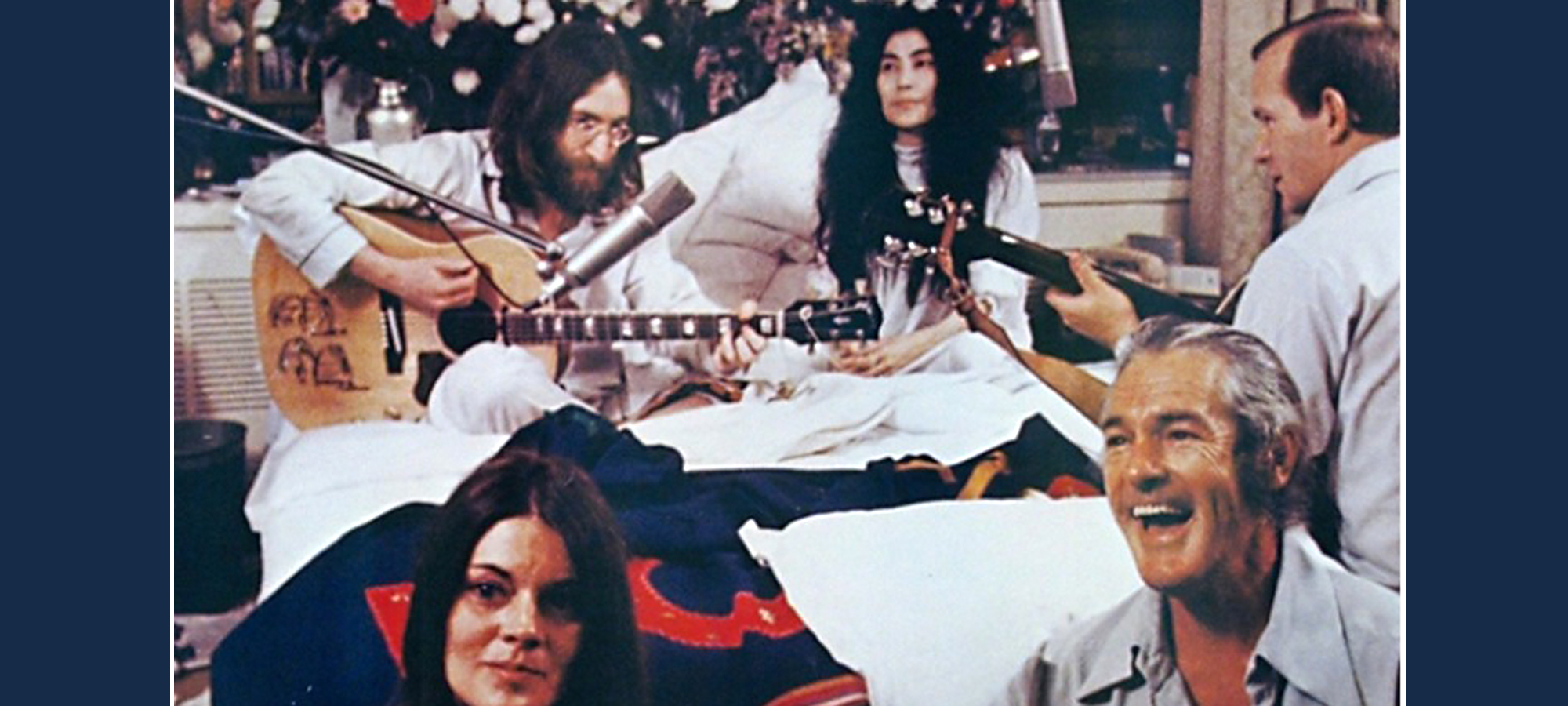
John Lennon was one spinal cracker, alright. Who else would LSD guru Timothy Leary ask to write a campaign song for his ill-fated gubernatorial run against Ronald Reagan in 1969? Lennon set out to write a song based on Leary’s campaign slogan, Come Together, Join the Party. His original lyric began, “Come together right now, don’t come tomorrow, don’t come alone.” Leary felt the words were awkward and the song unusable. Little matter; the aspirations of the PhD psychologist-turned drug advocate would soon come to an end when he was imprisoned for marijuana possession. But by now John had a good title. And he ended up writing one of his edgiest, self-described gobbledygook songs, ever.
Remembering Phil Lynott, an Overlooked Artist

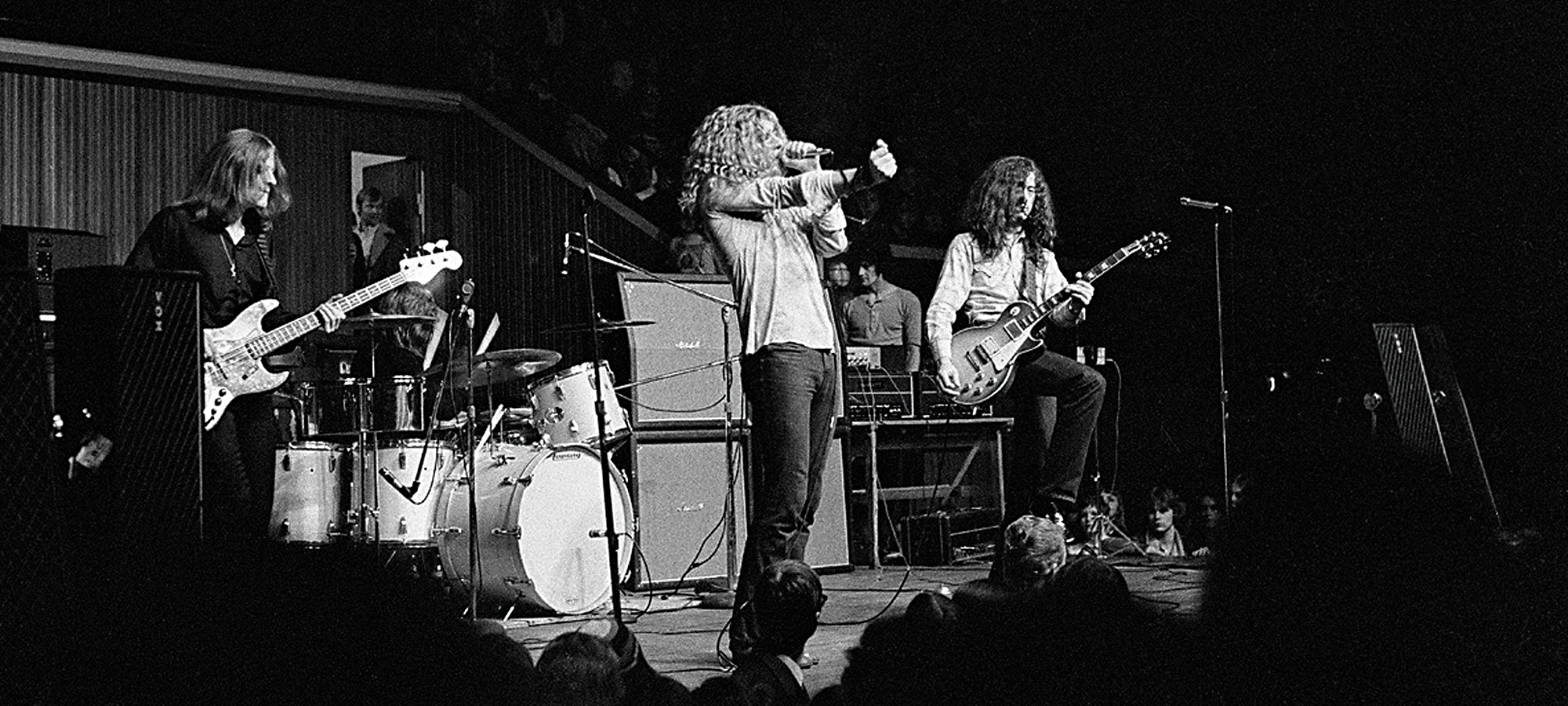
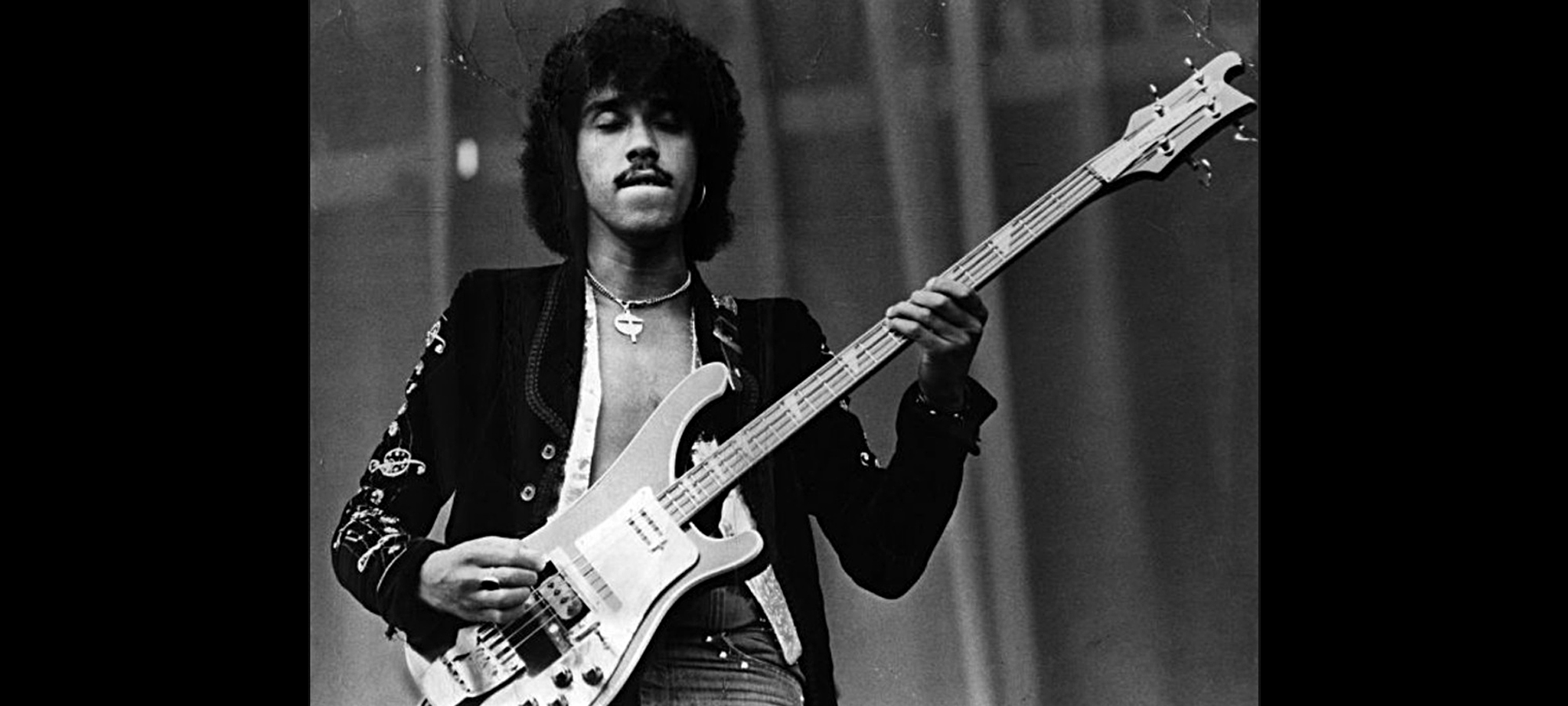
Here’s what you probably don’t know about Thin Lizzy, a band most Americans consider a 2-hit wonder: they were the first Irish or English group to feature a bi-racial artist as frontman; and they employed both Catholic and Protestant musicians from both sides of the Irish border during the height of the ethnic/nationalist conflicts of the 1970s. Phil Lynott, the band’s singer, songwriter, and bassist died 28 years ago today at age 37 from alcohol abuse. He formed the group in Dublin in 1969 and wrote their two mid-’70s hits, “Jailbreak” and “The Boys are Back in Town.” With their powerful double lead guitar harmony sound, Thin Lizzy is revered by some as the best hard rock band to emerge from Ireland. So, what’s the story about those boys who came back to town?

Sam Cooke’s Sad Demise

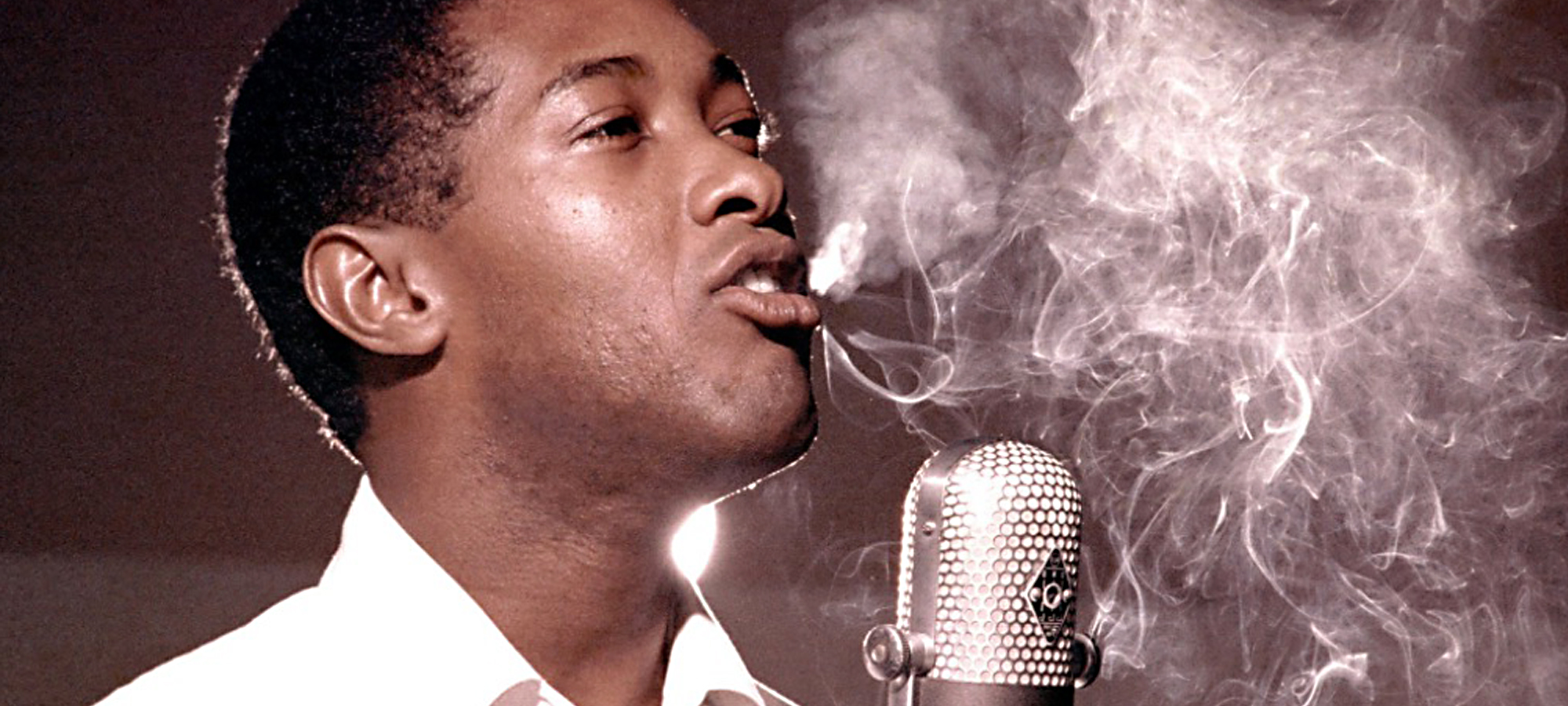
Sam Cooke, one of the greatest soul singers in history, was shot to death on this date in 1964 – at the height of his career. In 1963 he wrote one of the earliest protest songs of the civil rights movement: the soul-stirring “A Change is Gonna Come,” which was released after his death.