Contains “old” categories from before website rebuild.
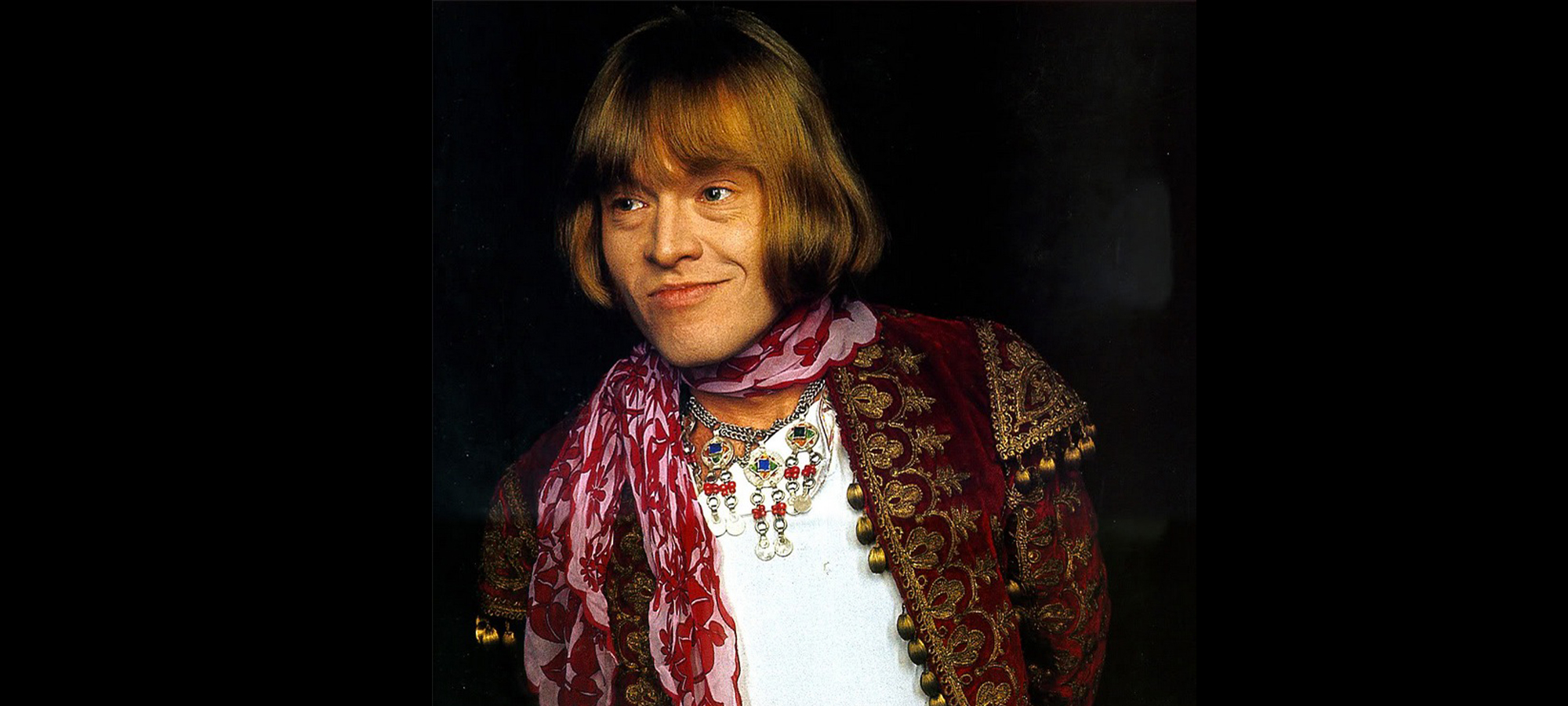
Yes, I know that Brian Jones had nothing to do with the recording of the Rolling Stones song "Wild Horses," but I couldn't resist using the pun to get your attention as I introduce my birthday tribute to the band's founder and high priest of psychedelic '60s fashion. I reckon that Brian Jones was the dandiest heterosexual of the 20th century. And one of the randiest, too, having fathered at least five children with five different women by the time he was 23. But there was also real talent behind that foppish Casanova facade. Brian was one of Britain's earliest practitioners of Delta blues. A natural musician, he was arguably the most versatile member of the band he formed and christened The Rollin Stones in 1962. And while he didn't write, sing lead, or play solo on a single song during his career, his prowess as a multi-instrumentalist was unmatched in the rock world. Today would have been his 73rd birthday.
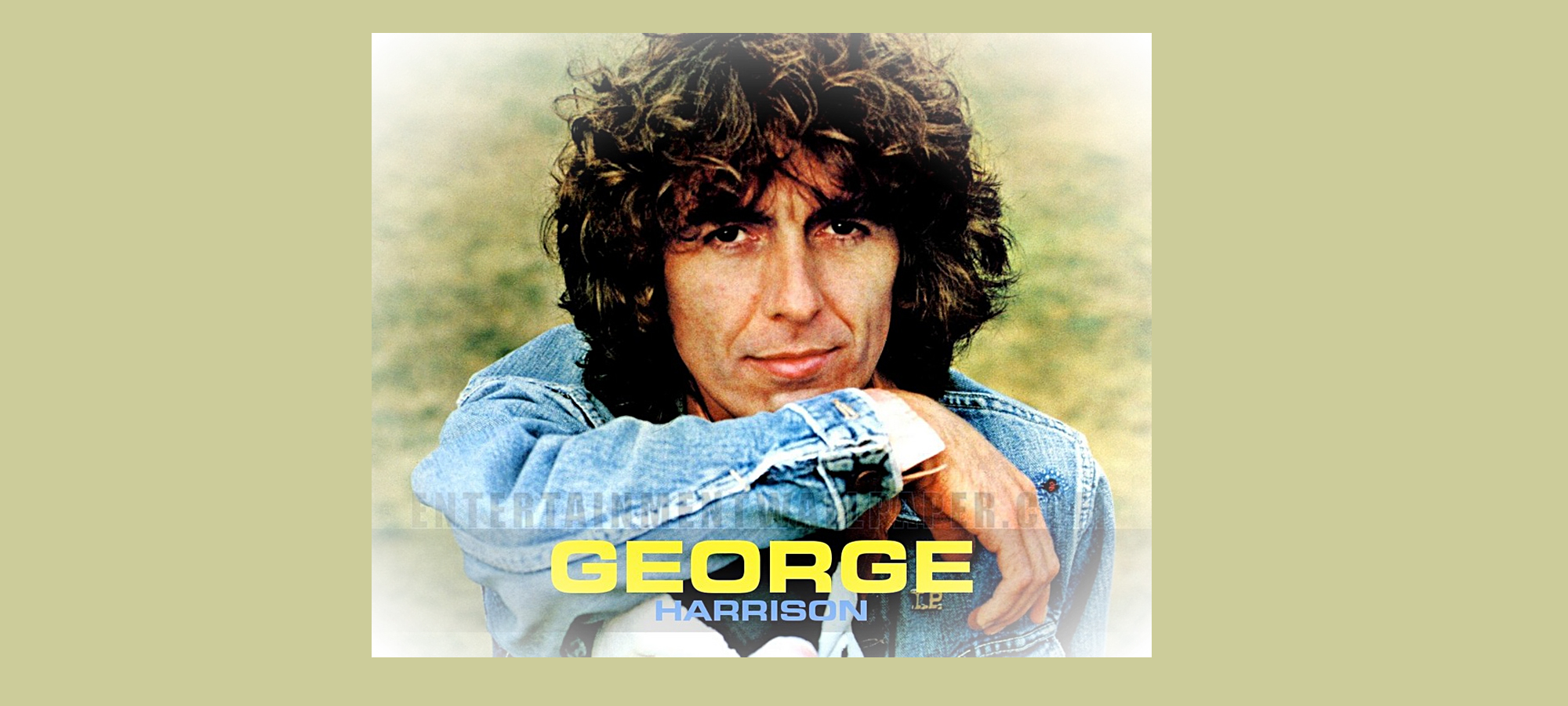
"I'll play, you know, whatever you want me to play, or I won't play at all if you don't want to me to play. Whatever it is that will please you, I'll do it." That's the way George Harrison sarcastically responded to Paul McCartney's request that he alter his style of playing on "Two of Us," a song recorded during the tension-filled sessions that would eventually spawn The Beatles' "Let it Be" album and documentary film. By the time the band entered their late '60s period, relationships among all four members had become downright hostile. The situation had become so tense that even the usually unflappable Ringo walked out in frustration during the recording of the "White Album" in 1968, planning not to return. Eleven months later, in the midst of what Paul referred to as the "Get Back" sessions, the situation had deteriorated. Following arguments with Paul, and heated exchanges with John that nearly resulted in fisticuffs, it was George's turn to break free of the band. He left the studio one day and returned with an old friend whose phenomenal playing and gregarious nature brought about some much needed harmony. No one would dare bicker while Billy Preston was on the scene.
Question: what's the next best thing to seeing your favorite artist perform at a rock concert? Answer: receiving a copy of the show's program from a friend who attended the gig. Okay, I know that's a stretch. Sure, you can drool over a concert program all you like, flip its pages till they fall out, and take it to bed and read it under the covers with a flashlight. But it will never sing to you. It won't make your ears ring for hours on end. And it will never blind you with pyrotechnics. Nevertheless, I experienced a true rock-shock when my friend Tony Vigliotti walked into sixth period French class and presented me with a souvenir concert program from the Queen show he'd seen the night before at Pittsburgh's Stanley Theater. Nobody but a fellow rockaholic like Tony could have imagined how much I wanted to see that concert.
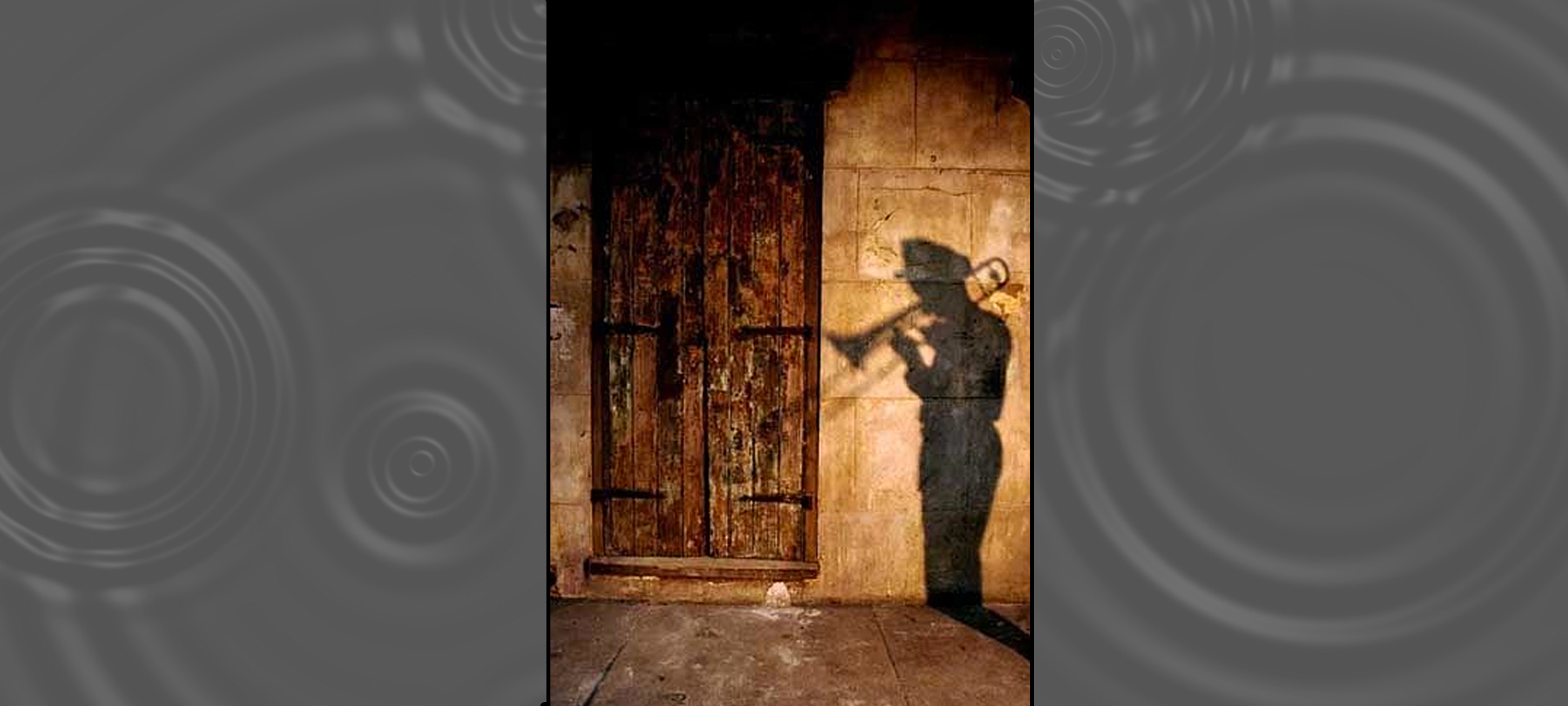
Oh, take me on a journey to a place where I can "lay my burden down, legalize my lows, and let the music wash my soul." In other words, "Take Me to the Mardi Gras." That's the name of a song written and recorded by Paul Simon for his 1973 "There Goes Rhymin' Simon" LP. Paul may not possess one drop of Cajun/Creole blood, but his love song to The Big Easy is as soulful as that of any N'awlins native. It's one of those songs that makes my heart ache with dreams of escaping to a place of primordial pleasure, a place where a swampy voodoo vibe percolates just beneath the surface of even the most festive of ceremonies. Bawdy ol' New Orleans is such a land -- perhaps the most culturally-unique city in America.
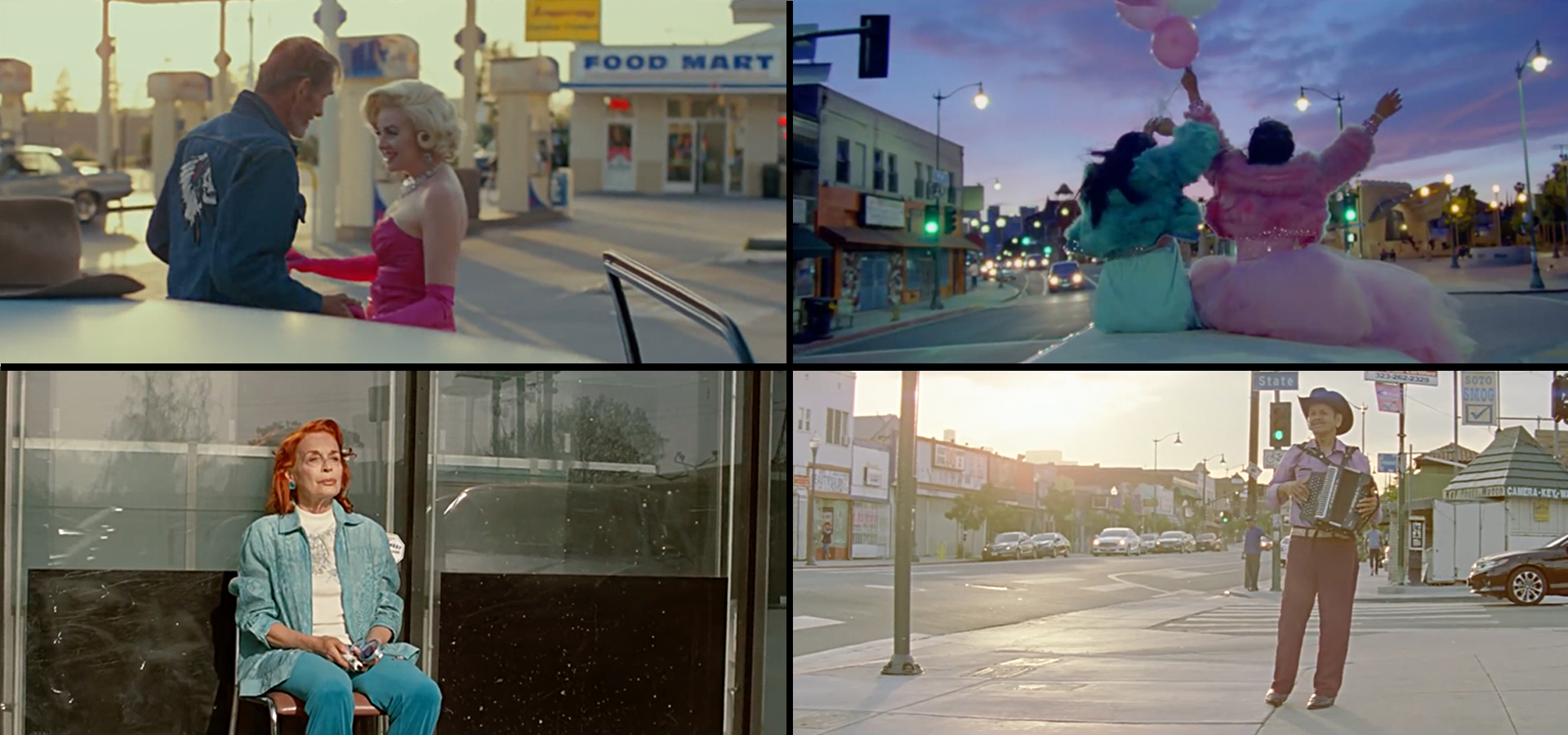
I was ready to log out of Facebook, with a vow to shake that social-media-monkey off my back for the rest of the day and get some real work done. And then I saw a post about a new video directed by filmmaker Max Weiland, cut to one of Elton John’s classic songs: "Tiny Dancer." It’s a lusciously filmed, finely…