Contains “old” categories from before website rebuild.
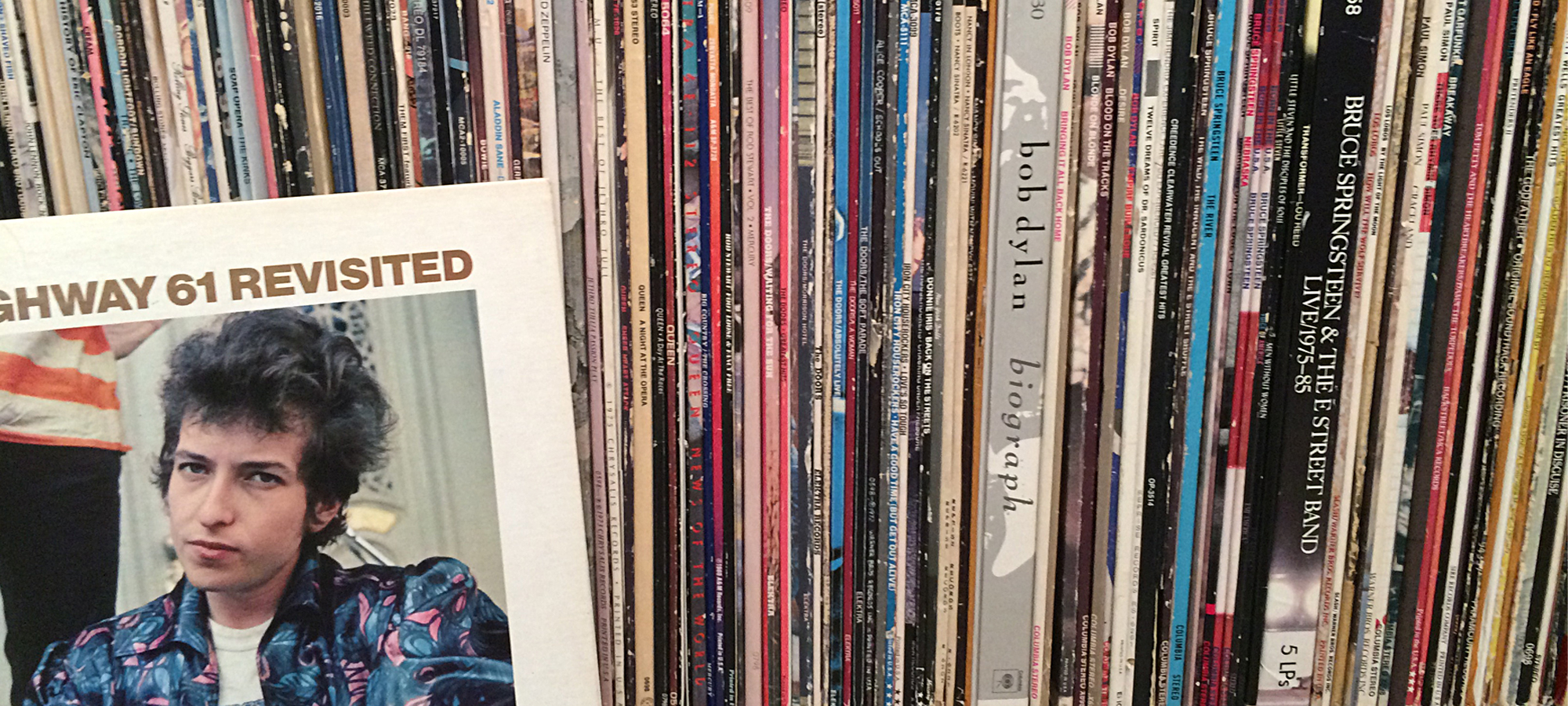
Give an old record a loving home! Today is the eighth annual Record Store Day, so visit one of your local independently owned shops, browse the bins, and pick up a platter full of sound that you can actually hold in your hands -- a shiny groooovy disc with a sleeve that doesn't require a magnifying glass to read! And even if you no longer have a way to spin the record, stop in anyway. You'll marvel at those old LP covers and find yourself saying, "I had that one...and that one...and OH, I forgot all about that one!" It's like taking a trip in a time machine.
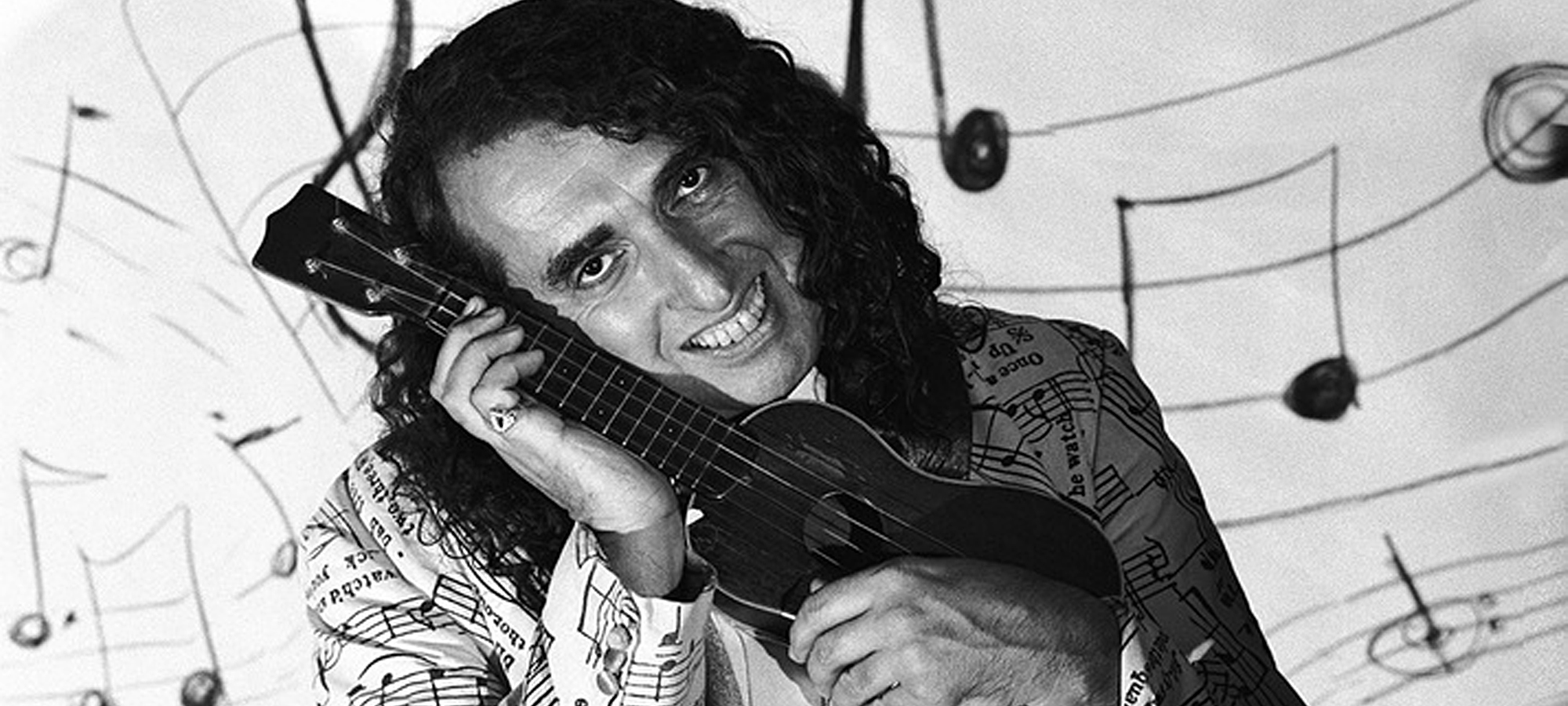
The 1960s music scene had it all: folkies, mods, electric bluesmen, surf singers, soul scorchers, R&B belters, psychedelic hipsters…and one falsetto-voiced ukelele player who went by the name of Tiny Tim. No course on the decade's pop culture would be complete without a mention of this eccentric celebrity.
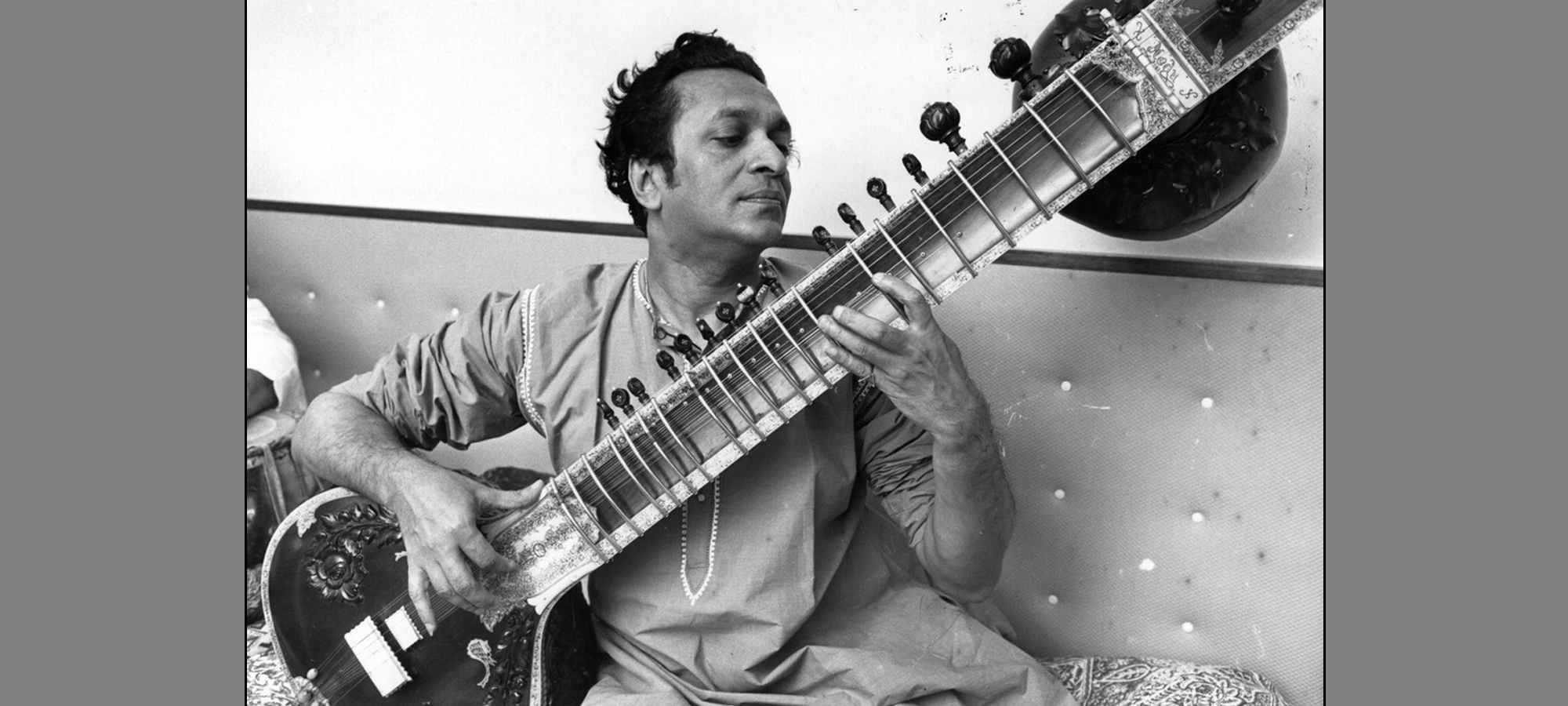
Can you imagine 1960s psychedelic rock music without the mystical aura of the sitar? We have Ravi Shankar to thank for that distinctive sound. The world's most renowned sitar player, born on this date in 1920, inspired many of rock's most famous musicians to incorporate the traditional Indian stringed instrument into their songs. Ironically, Ravi, a classical musician, never sought fame among the titans of rock. They sought him. His sitar vibe was unique to Western ears, and once rock's 1960s alchemists discovered that sound, it would make a major impact on Western culture.
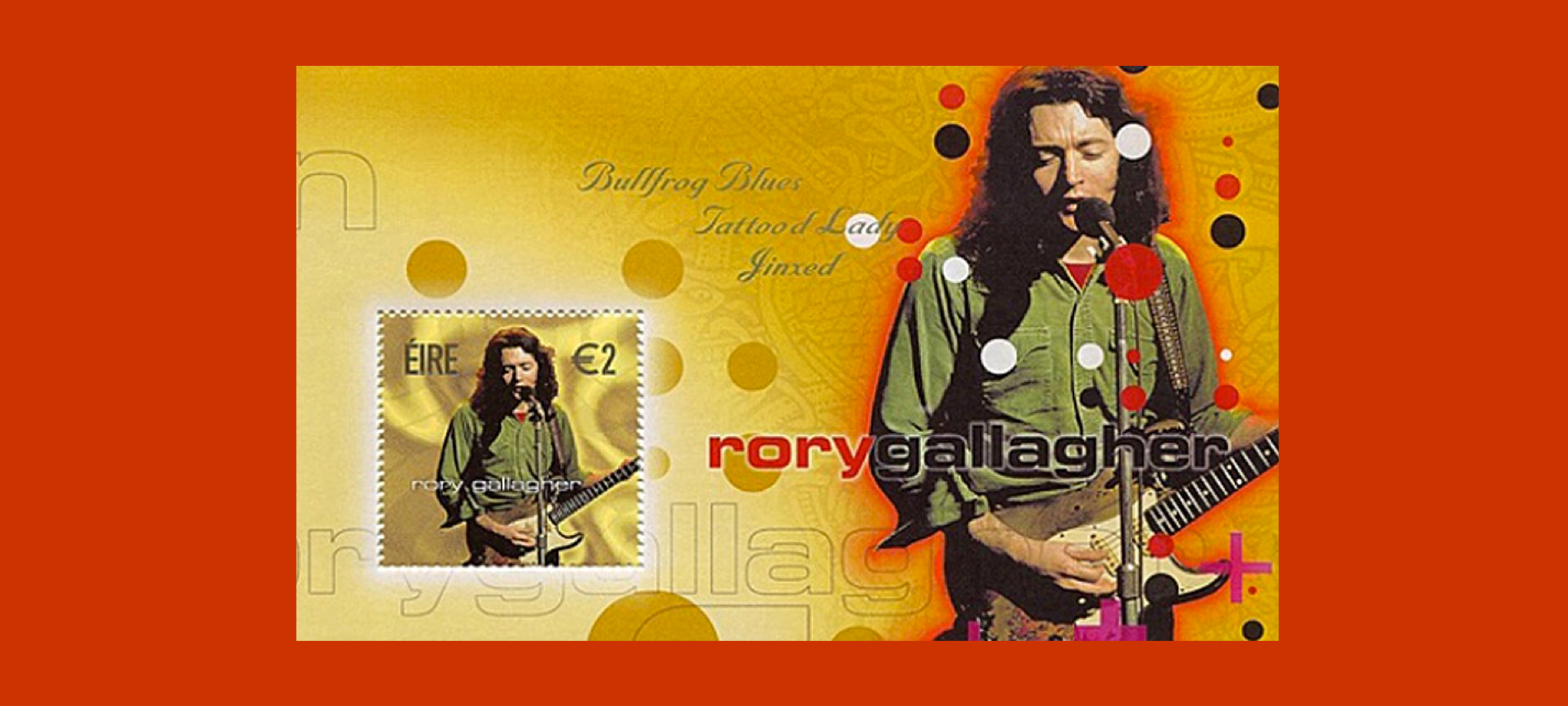
"Do you not get it, lads? The Irish are the blacks of Europe." That's a wonderful line from The Commitments, a sweet little film about a ragtag assortment of Dubliners who form a soul band. Just think about it: like African Americans, the Irish have lived The Blues for centuries. And it shows…in their soul-fire poetry, prose, and music. So, you're probably thinking "Van Morrison." No. Today I want you to think "Rory Gallagher." Heard of him? I hope so. But if not, listen up: he was one of the greatest blues-rock guitarists of all time and is a national folk hero in Ireland. Today would have been his 67th birthday, so let's take a moment to pay homage to this passionate workingman of the guitar.
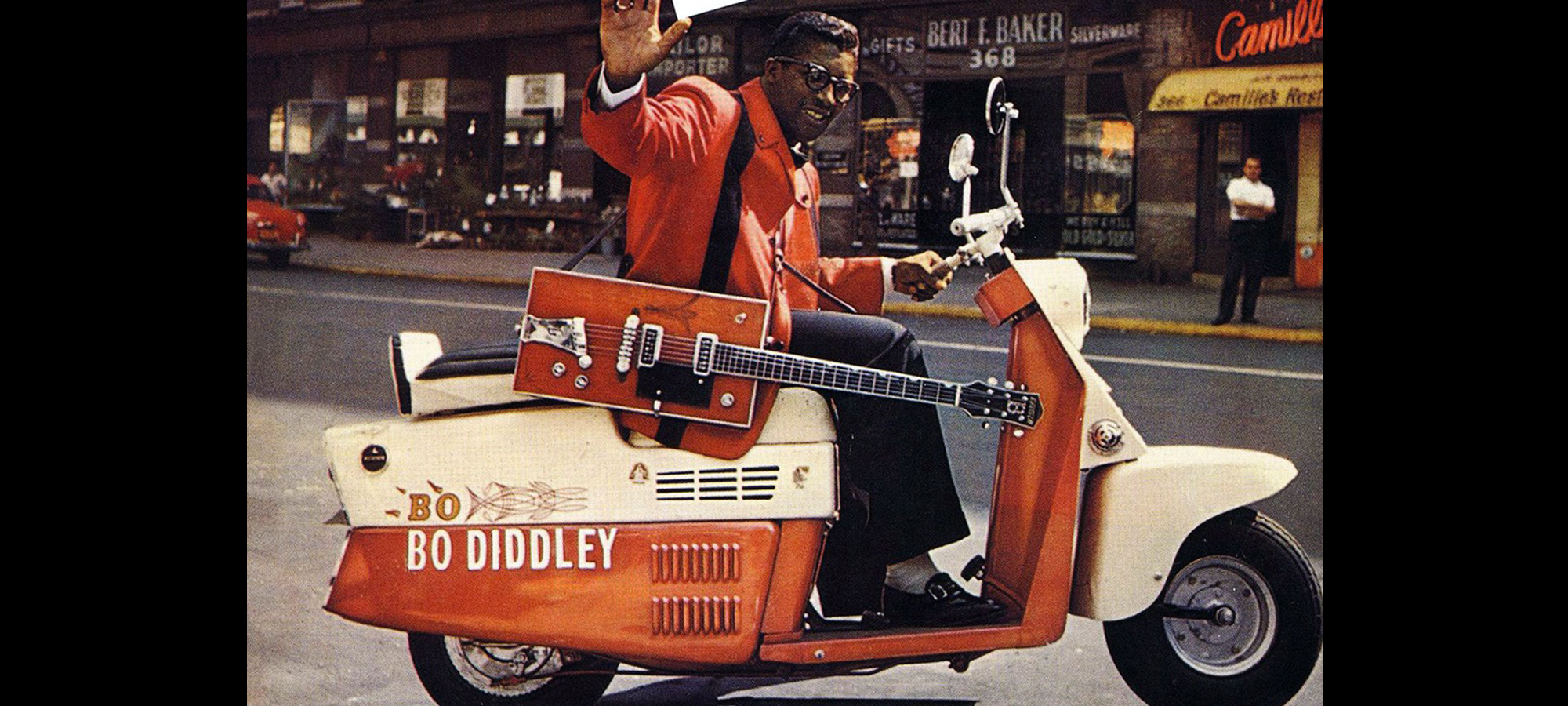
An important event on this date kicked off what would become an indispensable element of rock-n-roll music for time immemorial. On March 2, 1955, legendary R&B master Bo Diddley entered a Universal recording studio in Chicago and burned onto vinyl his song "Bo Diddley." With it's distinctive five-accent rhythm beat, it launched a thousand rock songs. The sound sprang from traditional African clave rhythms and gave way to a style known as "hambone" - a technique of making music by slapping one's arms, legs, cheeks and chest while singing simple rhyming songs. Say the phrase, "shave and a HAIR CUT…TWO BITS" and you get a simple idea of the rhythm. Lots of Diddley-based tunes are obvious, like "Willy and the Hand Jive" and Bo's own "Who Do You Love?" But you may not realize just how many songs have been fueled by that distinctive beat. No rocker can resist it! Here's a collection of my favorite Bo Babies. Turn your speakers up loud and go crazy, man, crazy!