Motor City Mavericks: The Pleasure Seekers and Suzi Quatro
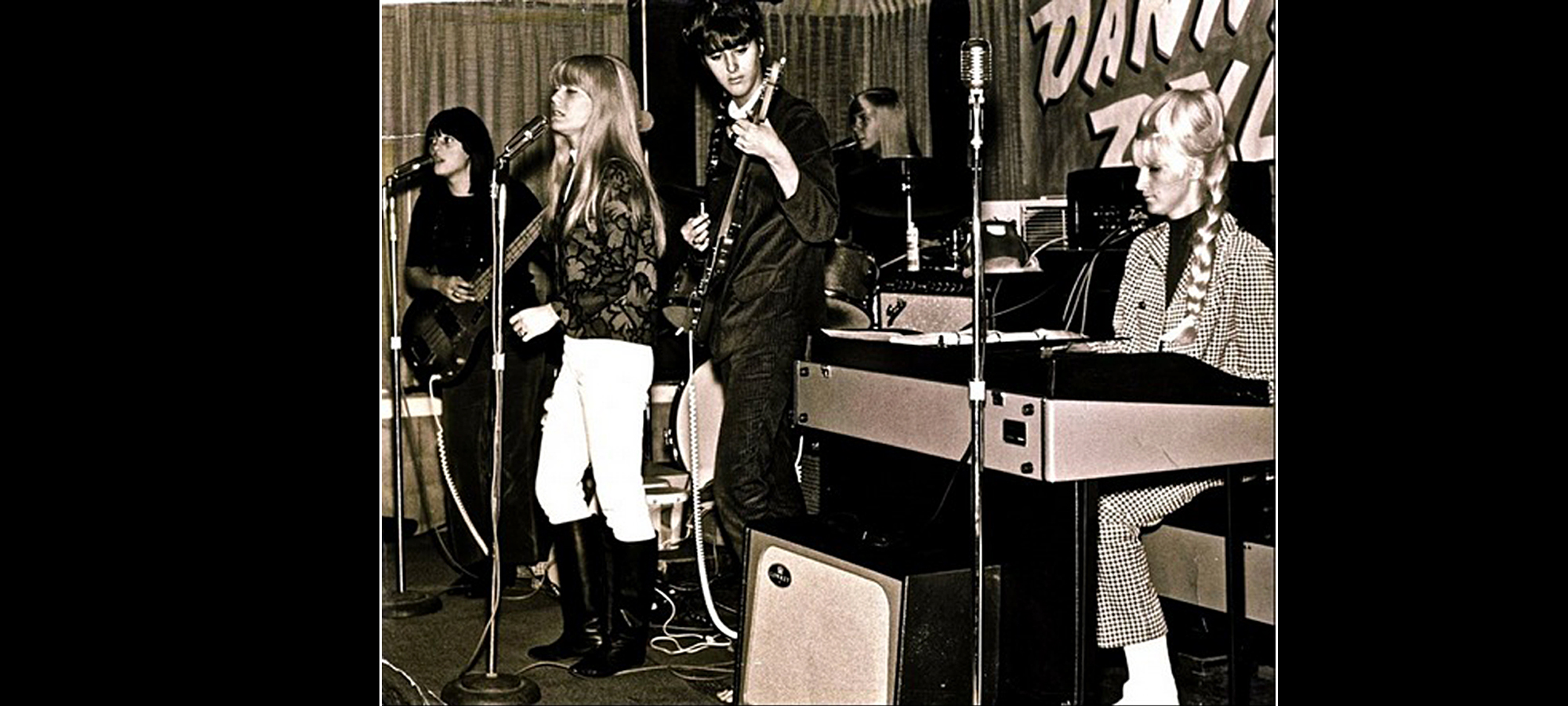
When a group of sisters got together in the early ’60s to come up with a name for their rock and roll band, they turned to that greatest of reference guides — the dictionary. Leafing through the large tome, they came across the word “hedonist.” Definition: a pleasure seeker. Bingo! Formed in Grosse Pointe, Michigan, in 1964 by 17-year-old Patti Quatro, The Pleasure Seekers were born of Beatlemania and bred on Detroit muscle. They paid their dues in clubs and music festivals across the U.S., opened for a slew of big name rock stars, and became one of the first all-female bands to be signed by a major record label. But their biggest contribution to the world of rock came in the form of a 5-foot firecracker named Suzi Quatro.
And Your Liverbirds Can Sing: The Electric Girls Known as The Female Beatles

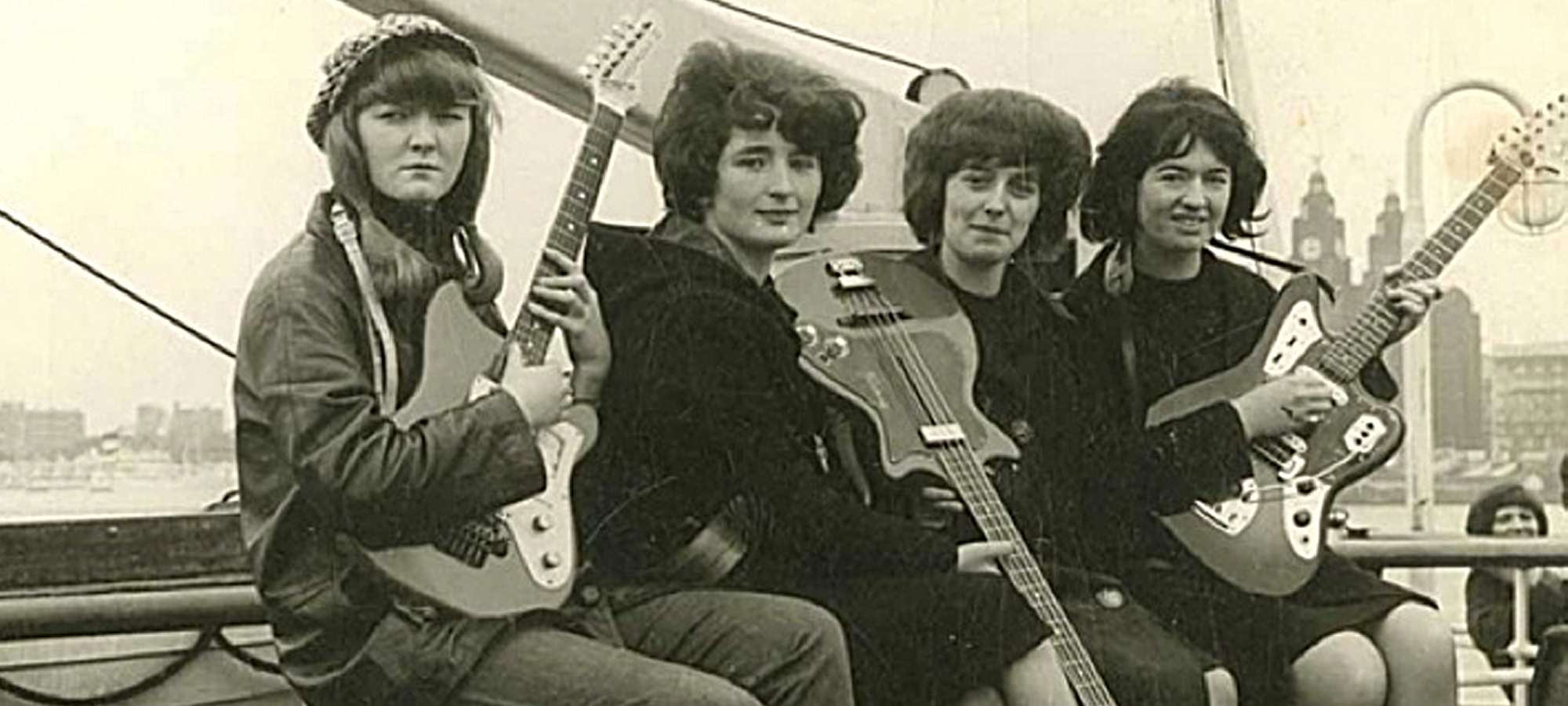
“Girls with guitars? That’ll never work,” John Lennon was rumored to have once said. Little did he know that four fab femmes had been wielding electric guitars in his very own hometown of Liverpool, several years before he and his fellow Beatles took over the world. They named themselves The Liverbirds, for the fictitious Liver Bird that has long symbolized the seaport city, and went on to help define the emerging “Mersey Beat” that would make Liverpool an early rock-n-roll mecca.

Estelle Axton: The First Lady of Stax

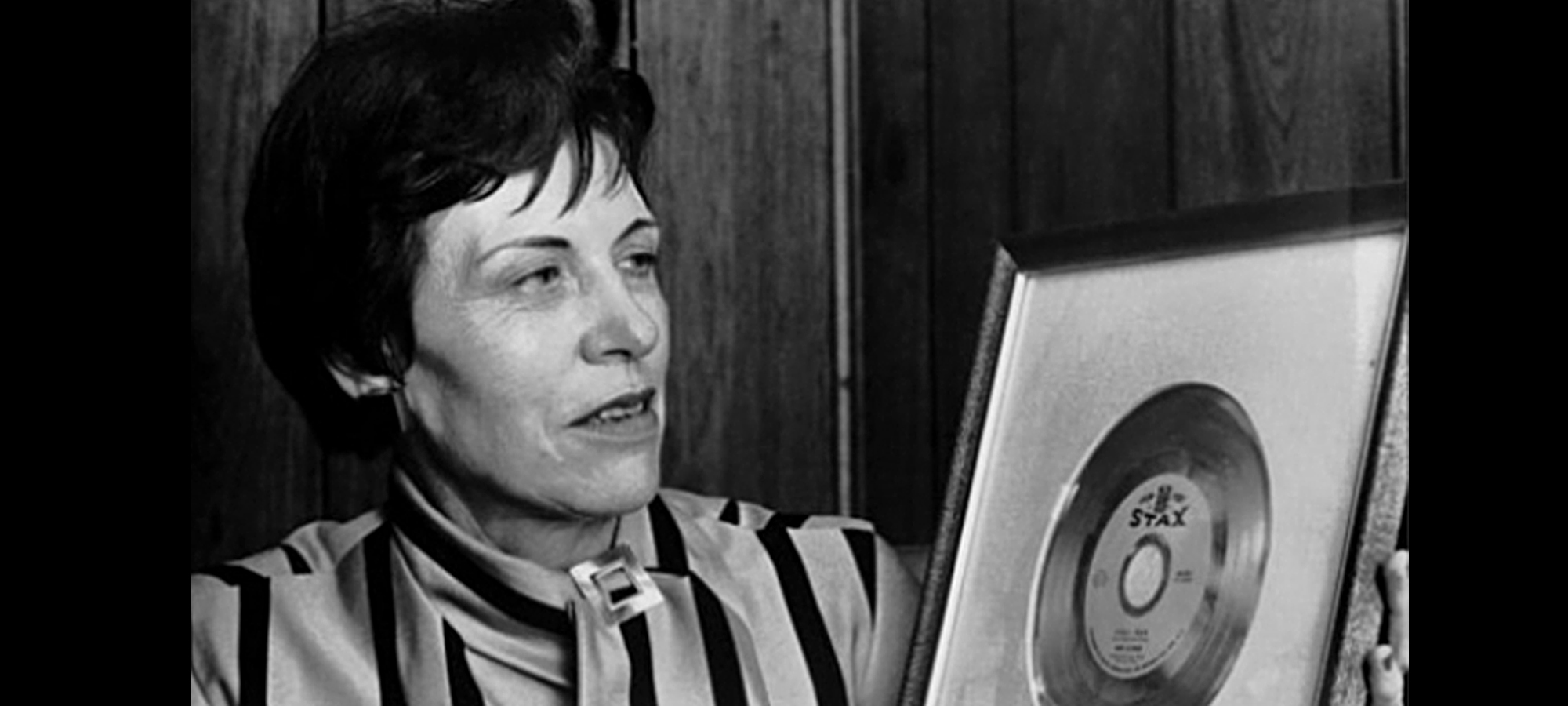
The name Stax Records is synonymous with soul music. But did you know that the legendary label of black artists like Otis Redding, Carla Thomas, Wilson Pickett, and Isaac Hayes was co-founded by a white woman who began her career as a school teacher? In the late 1950s, Estelle Axton began investing in Satellite Records, a small label started by her brother Jim Stewart, a former bank clerk. Satellite evolved into Stax, a premiere recording studio specializing in soul, R&B, funk, jazz, and gospel music. Said Booker T. Jones of the M.G.s, “I doubt there would have been a Stax Records without Estelle Axton.” The woman known as “Lady A” marketed the business, ran the Stax record shop, helped choose and develop the label’s artists, and provided inspiration, advice, and encouragement to writers and musicians.

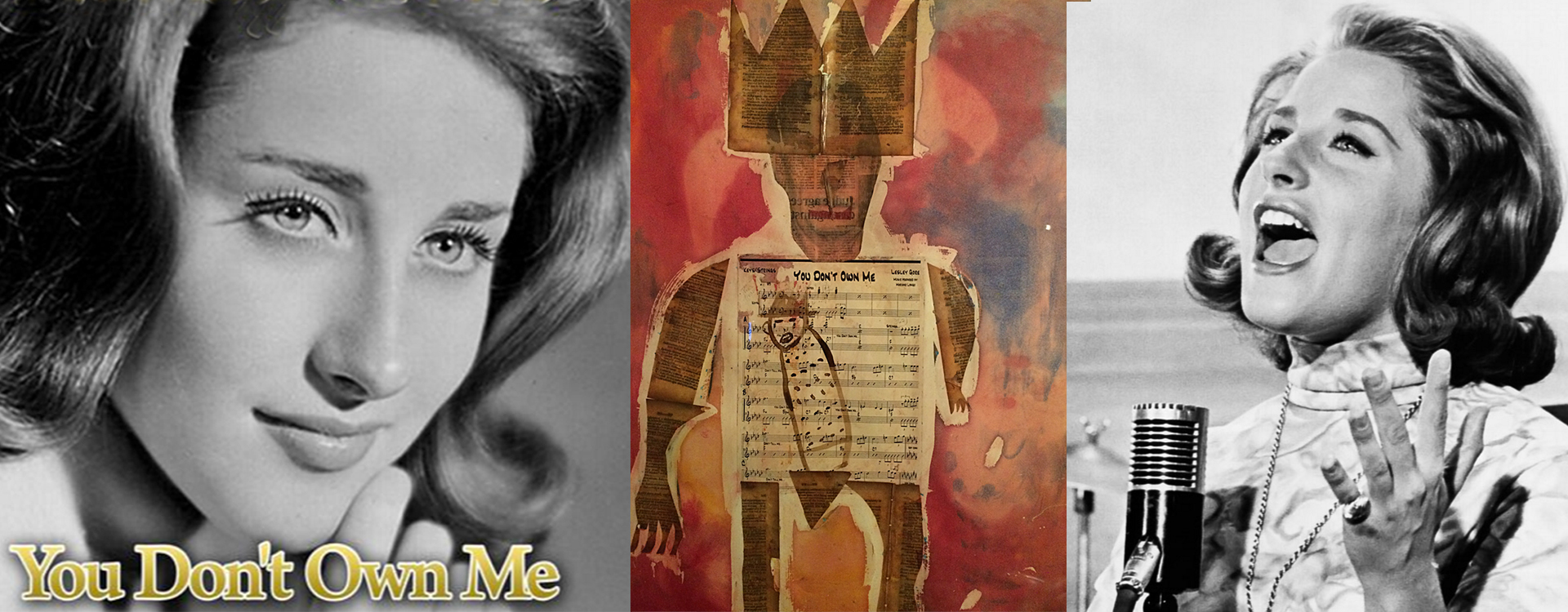
Lesley Gore on Owning Yourself

Ladies, the next time you want to change your hairstyle or splurge on those Miu Miu pumps and your man gets bossy and tries to dissuade you, just say “you don’t own me.” Guys, the next time your lady tells you to turn down the car stereo or toss out those LPs that are hogging … Read more

Marianne Faithfull’s Tears Gone By

“I slept with three of them and then decided the lead singer was the best bet.” That was burgeoning pop singer Marianne Faithfull in 1964, telling “New Musical Express” magazine that the quickest route to success would be to snag a Rolling Stone — most strategically, Mick Jagger. What a cocky thing to say, I thought when I first heard this quote as a kid. I’d always wanted to use the British term strumpet, and now was my chance. Why all the fuss about Marianne Faithfull, anyway? Sure, she was blonde, sexy and had a hit song. Big deal. So, it was with much skepticism that I decided to read her 1994 memoir “Faithfull.” And by the time I finished it, I found her to be one of the most intelligent and independent women in rock — a talented singer, songwriter, muse, actress, diarist, and survivor. Today is her 68th birthday.