Happy Birthday to Sly Stone – Rock’s First Equal Opportunity Employer
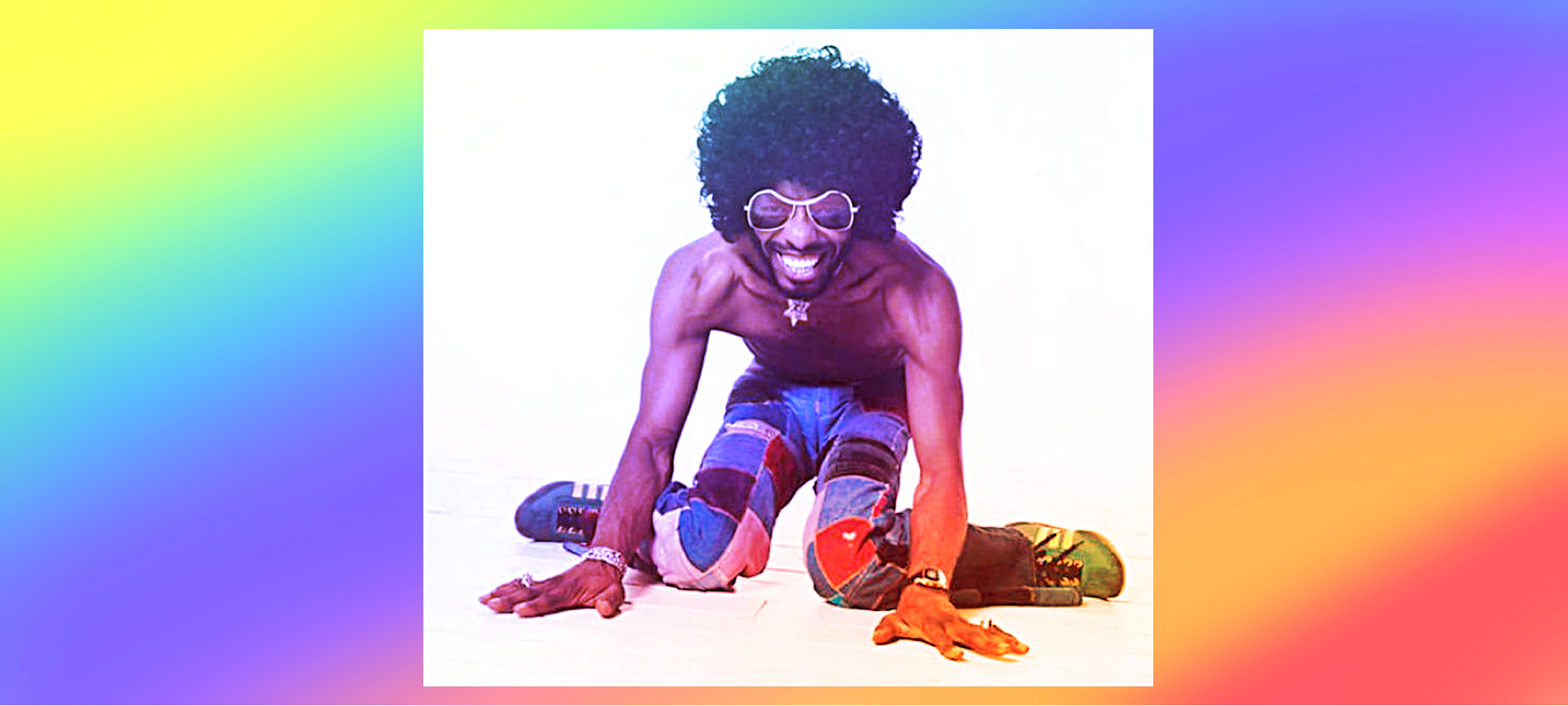
Most recording artists in the 1960s were singing about lovin’ your brothers and sisters regardless of the color of their skin, but few practiced that ethos better than Sly Stone, who assembled the first – and one of the few – interracial, dual-gender rock bands of the era: the iconic Sly and the Family Stone. They perfectly summed up the generation’s quest for total acceptance with their number one hit, “Everyday People,” a song that produced one of the most popular catchphrases to emerge from rock culture: “different strokes for different folks.” When it came to funkadelic rock and soul, Sly did it first and he did it best. Here’s a tribute to him on his 72nd birthday.
What Motivates Us to Work? For Bruce and Me, It’s ‘Abandonment of the Self’

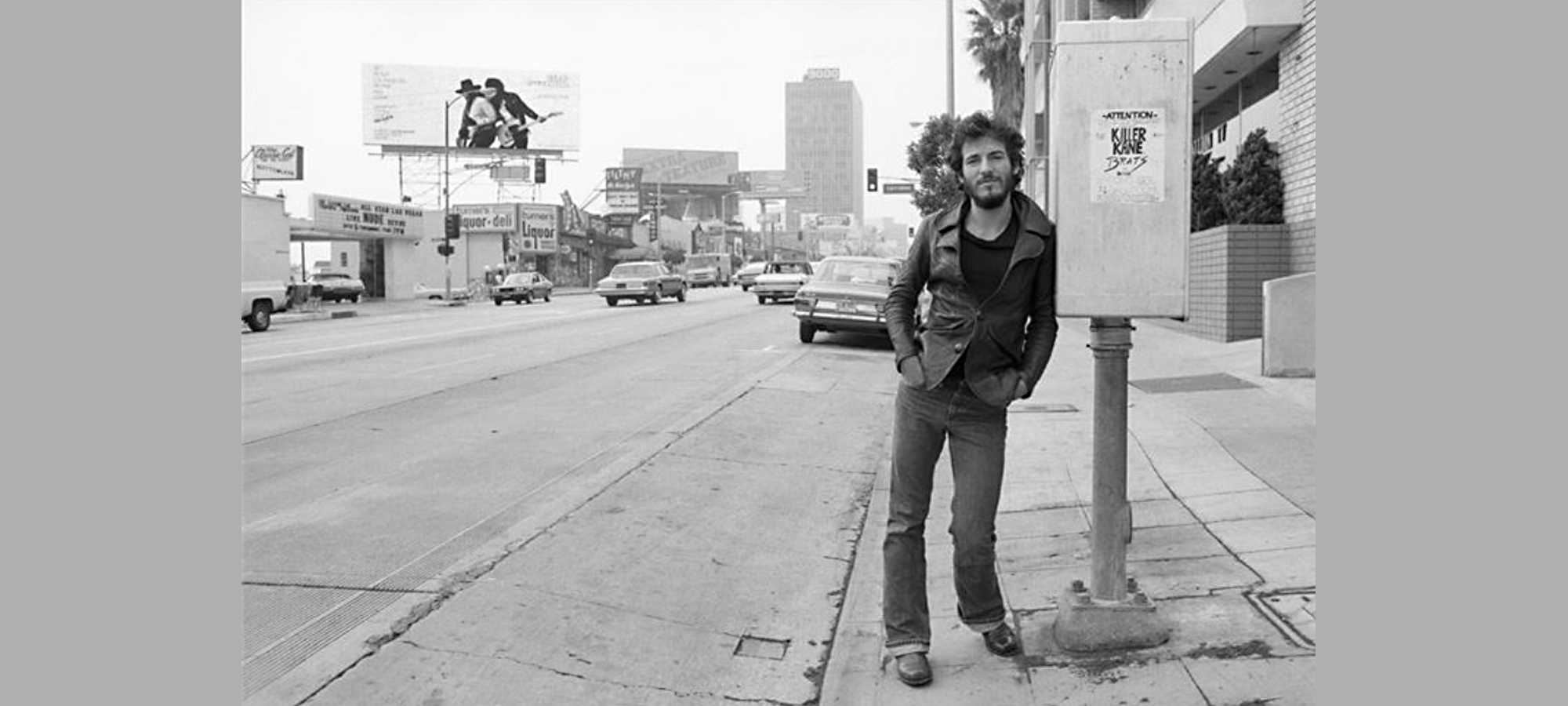
At a show at New York’s legendary Apollo Theater a few months back, Bruce Springsteen joked that he was the “hardest working ‘white’ man in show business.” Bruce made this remark in homage to one of his idols, the late James Brown, the soul-funk sensation long known as the “hardest working man” in the business. James, the Apollo apostle, often performed up to 330 one-night shows per year, in extravagant bop-till-you-drop style. Growing up in extreme poverty may have driven James Brown to work till exhaustion, but what inspired a middle-class white boy from Long Branch, New Jersey, to rock his heart out onstage for four hours, night after night, from beach bars to coliseums? “His love of his fans” is one easy answer. But it goes much deeper than that, as I was reminded after reading a fascinating profile of Bruce in the July 2012 issue of “The New Yorker” magazine.

We All Will Be Received in Graceland — Except for Bruce

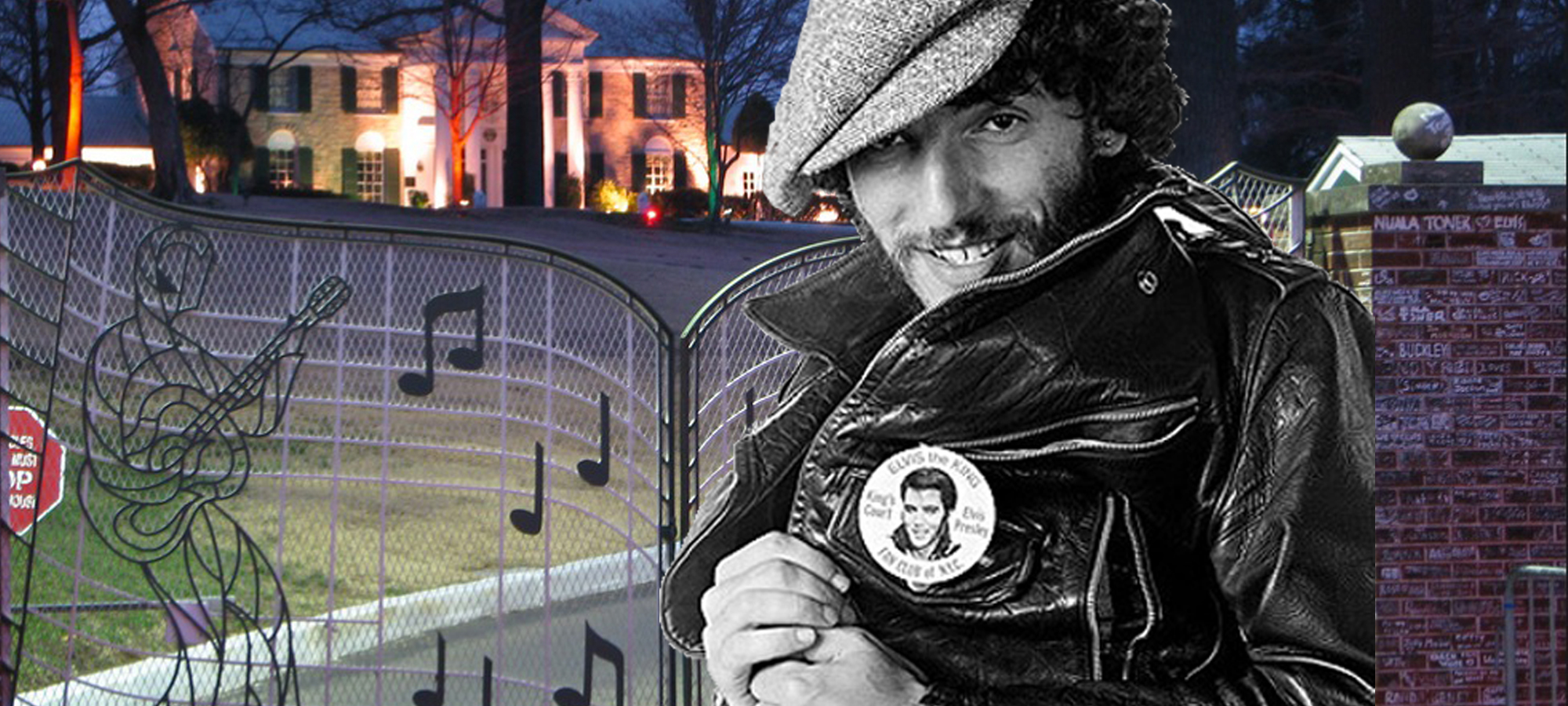
All the king’s men. That’s a royal court that could include every seasoned rocker whose creative spark was first lit by the sight and sound of Elvis Presley. They started out wanting to be him, and spent their lives dying to meet him. Most artists had to wait till they were big league players before even contemplating a face-to-face with Elvis. And even then it wasn’t easy to enter his well-guarded world. But one late night in 1976, a young musician on the cusp of superstardom had the chutzpah to drop by Elvis’s Graceland mansion, and pay The King a personal visit.

David Peel: The Dope-Smokin’ Pope of the New York City Hippies

By the time the Age of Aquarius hit my little Pennsyltucky town, it was already the Age of Libra. For years we stared at our cabinet TVs with envy at the scenes of flower-children burning draft cards in Chicago, marching for peace in D.C., and dancing in hallucinogenic stupor in Golden Gate park. Just when we’d nearly given up hope that we’d ever be hip, God answered our prayers and gave us something to break the monotony of our boring, bourgeois lives: a bearded, long-haired, blurry-eyed, sandaled dude whom the town elders affectionately called “The Dirty Hippie.” So touched was he by this moniker that he actually painted the nom de freak on the side of his psychedelically embellished pickup truck. What a treat to see him whiz by — “Sunshine of your Love” and fragrant smoke wafting from his windows — as we walked home from school. “Hey look! It’s the Dirty Hippie!” we’d cry out as we waved. I have no idea whether our token tokin’ rebel embraced the make-love-not-war ideology of the times, but he looked like he stepped right out of central casting for “Easy Rider.” And that was good enough for us. We didn’t want any trouble-making pinko types, anyway. We weren’t ready for our small hamlet to become infested with the city-bred rodent variety of hippie — like those personified by David Peel.

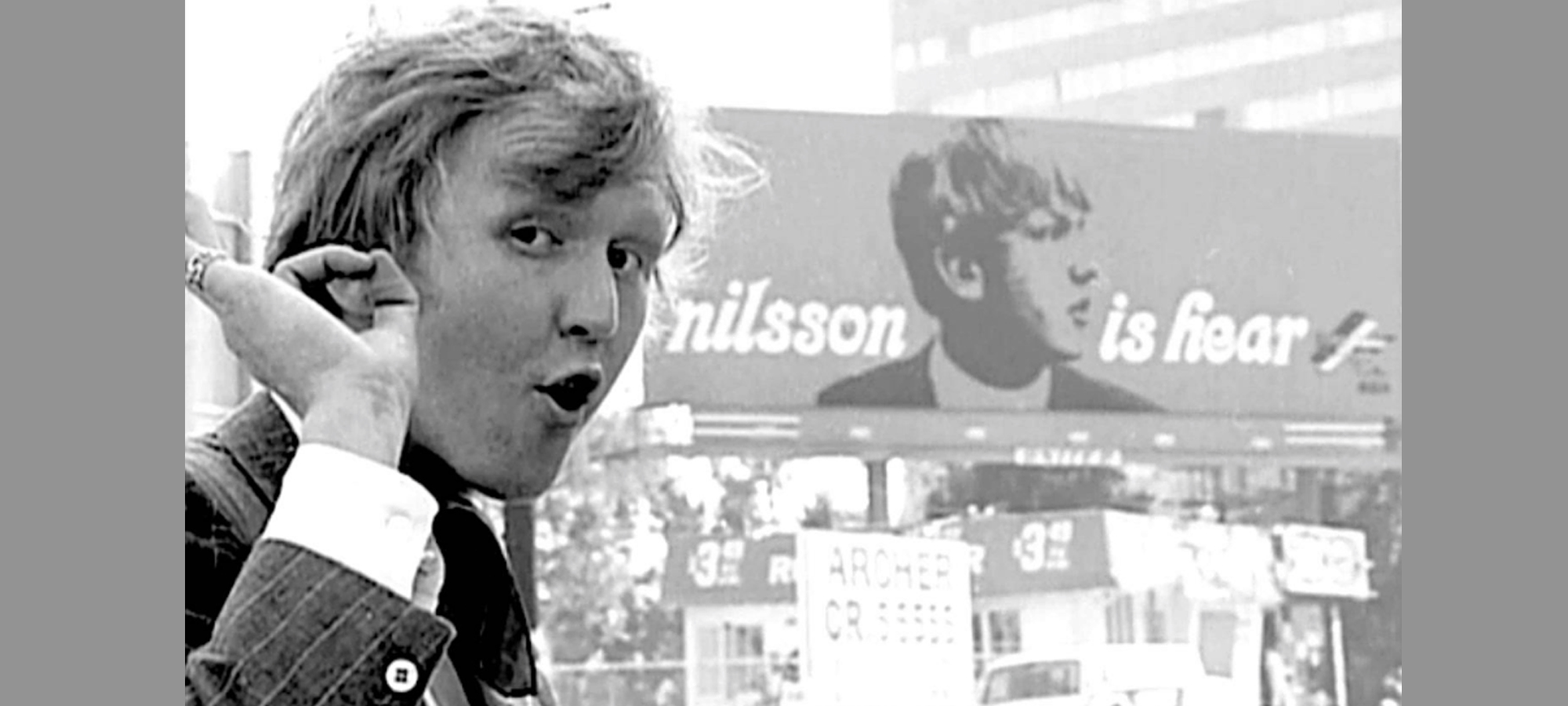
I’m Just Wild About Harry

Singer/songwriter Harry Nilsson died 22 years ago today at the age of 52. I couldn’t let this anniversary pass without a short tribute to one of my most beloved artists. His first blip on the radar came when John Lennon and Paul McCartney both named him their favorite American artist during a 1968 press conference … Read more