Happy Birthday to Sly Stone – Rock’s First Equal Opportunity Employer
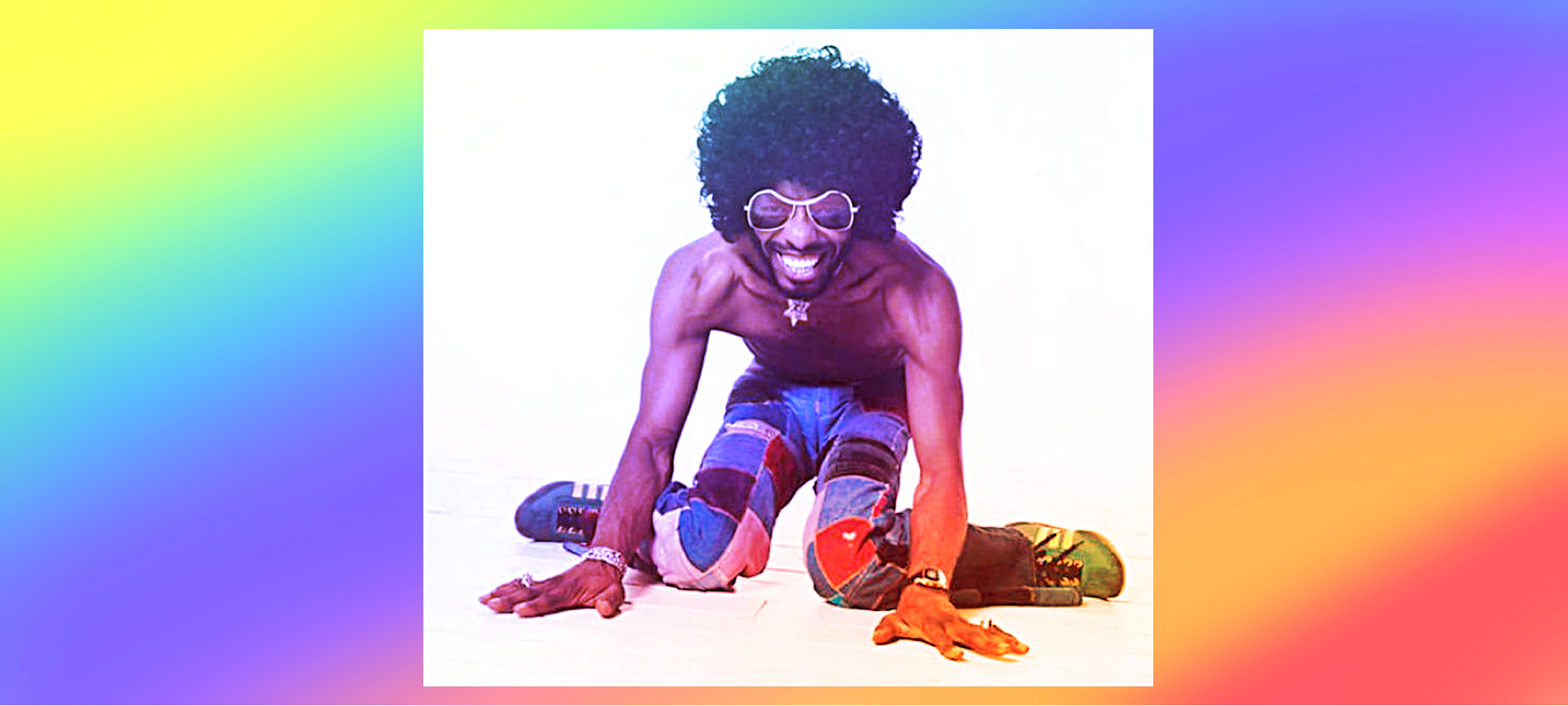
Most recording artists in the 1960s were singing about lovin’ your brothers and sisters regardless of the color of their skin, but few practiced that ethos better than Sly Stone, who assembled the first – and one of the few – interracial, dual-gender rock bands of the era: the iconic Sly and the Family Stone. They perfectly summed up the generation’s quest for total acceptance with their number one hit, “Everyday People,” a song that produced one of the most popular catchphrases to emerge from rock culture: “different strokes for different folks.” When it came to funkadelic rock and soul, Sly did it first and he did it best. Here’s a tribute to him on his 72nd birthday.
Are Ya Ready, Boots? Start Talkin’!

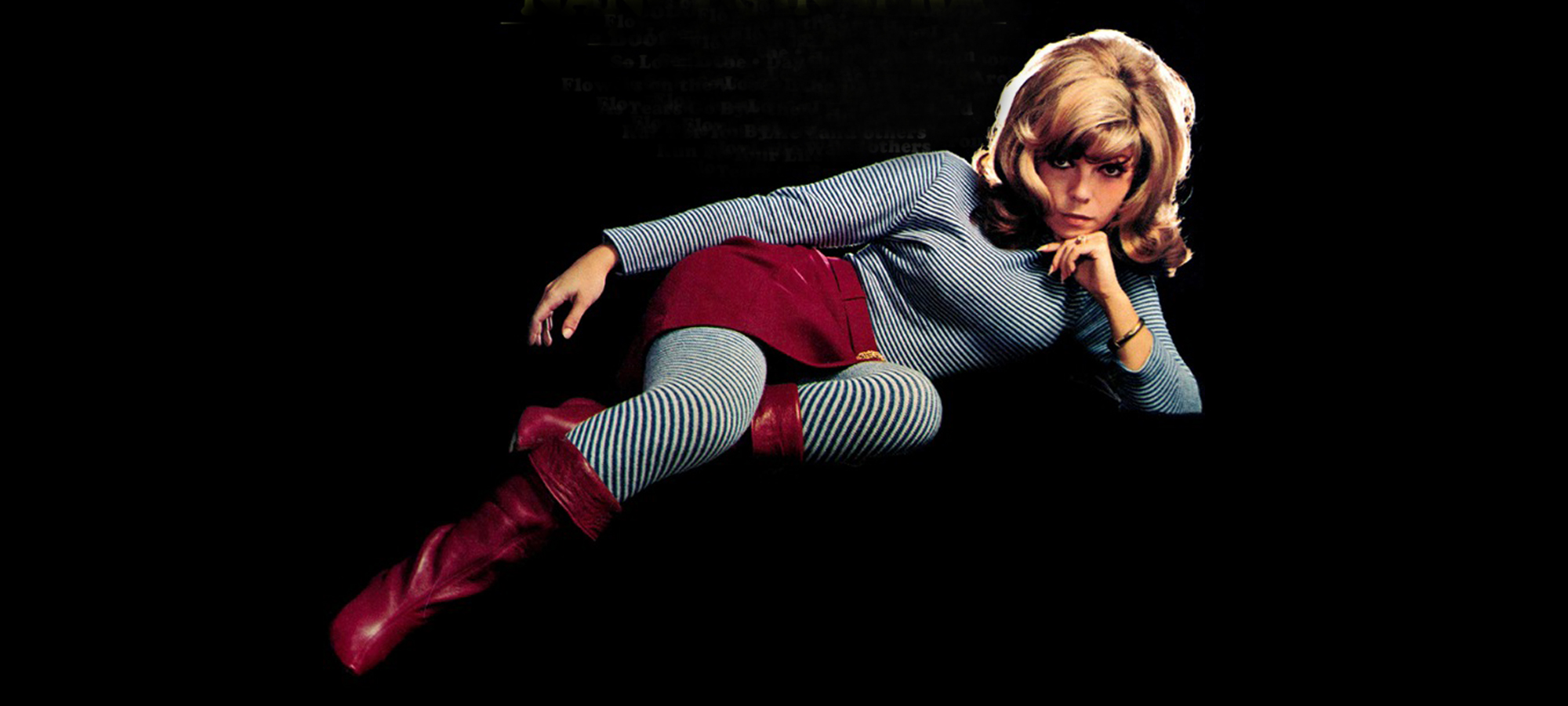
White boot, black boot, thigh boot, jack boot. I’ll endure the snow, slush, and sub-freezing temperatures of Pittsburgh for the rest of my life, as long as I can wear my pavement-pounding, cockroach-killing, arch-destroying boots. It’s the thrill of fashion…and the Agony of De Feet. But I’m still standing. From whence do my sartorial obsessions spring? From rock-n-roll, where else! Forty-eight years ago this month Nancy Sinatra recorded her smash hit “These Boots are Made for Walkin.” With it’s slinky guitar strut and finger-pointing tough girl lyrics, it quickly became a favorite among my growing collection of 45s. What a way for a six-year-old to learn the fine art of insult and accusation!

Fanny: Four Fab Femmes Who Rocked!

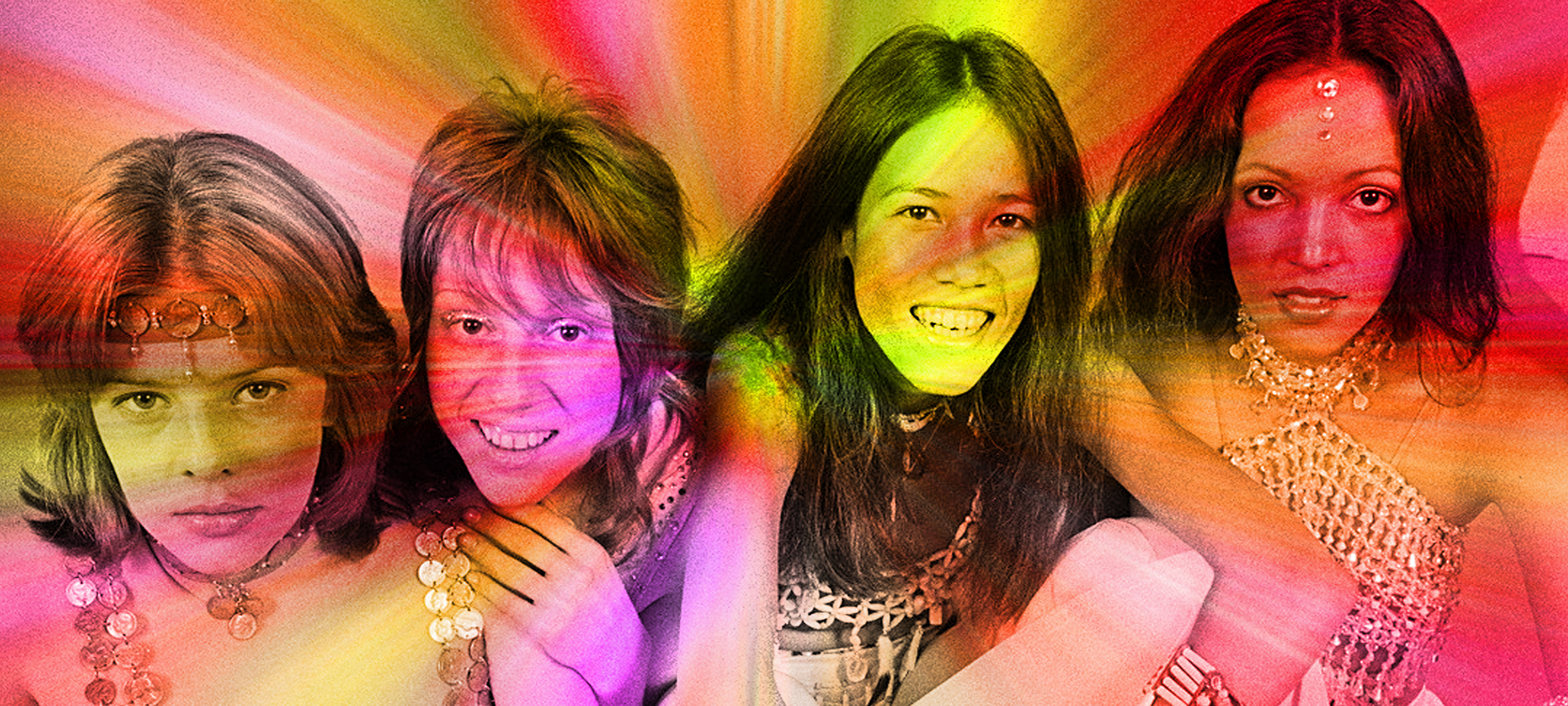
When the name of your band conjures up images of either (1) the human arse, (2) a vaudeville star named Brice, (3) a protagonist from an 18th century erotic novel by John Cleland, or (4) a character from a recurring ‘Playboy’ comic strip, you might have a bit of a problem being taken seriously. I’m referring to a mostly forgotten early ’70s band named Fanny. The thing is, they were taken seriously — at least for a while. They signed a major record deal, scored two top 40 hits, appeared on TV variety shows, and toured the U.S. with the big arena acts of the day — before fading into footnotes. David Bowie once said, “Revivify Fanny. And I will feel that my work is done.” So, Mr. Bowie, here’s my contribution.

What Motivates Us to Work? For Bruce and Me, It’s ‘Abandonment of the Self’

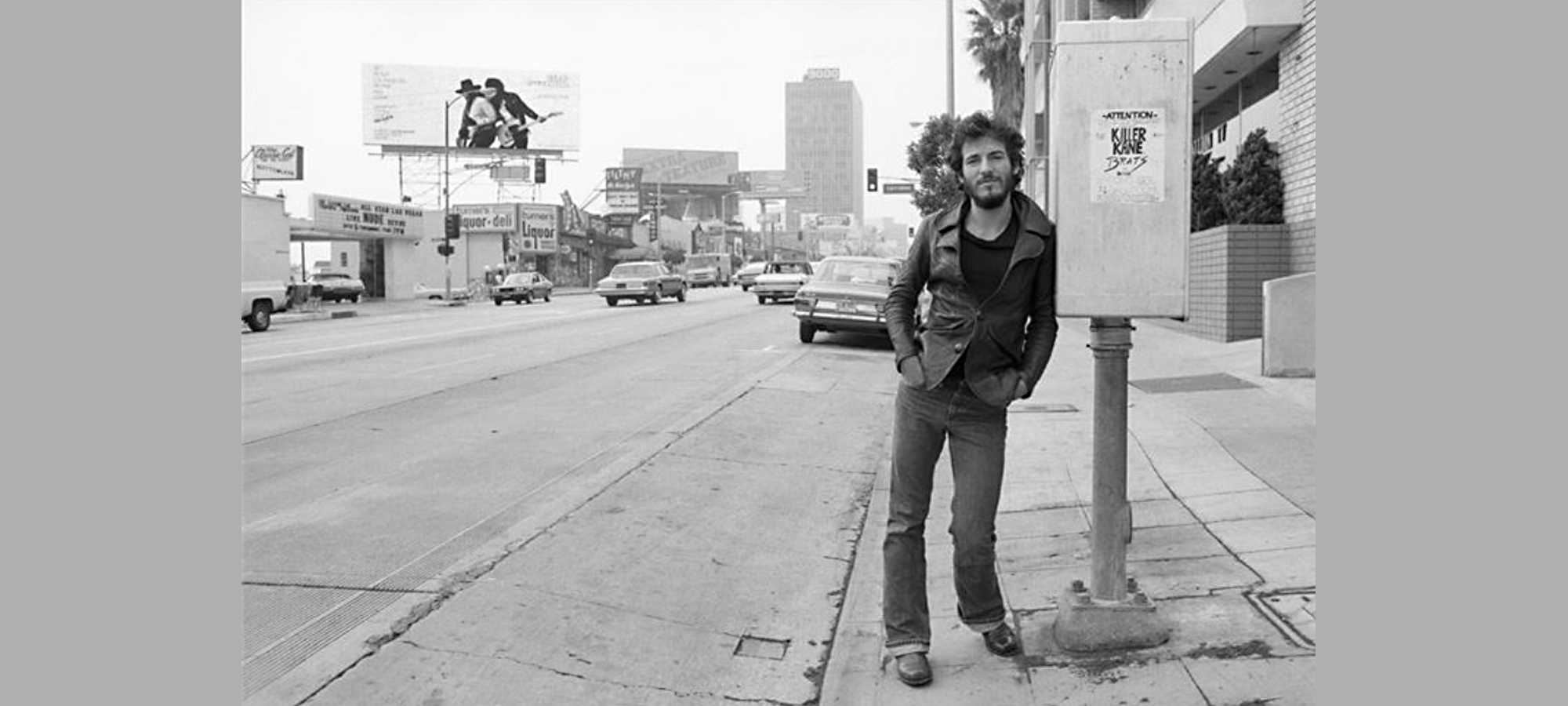
At a show at New York’s legendary Apollo Theater a few months back, Bruce Springsteen joked that he was the “hardest working ‘white’ man in show business.” Bruce made this remark in homage to one of his idols, the late James Brown, the soul-funk sensation long known as the “hardest working man” in the business. James, the Apollo apostle, often performed up to 330 one-night shows per year, in extravagant bop-till-you-drop style. Growing up in extreme poverty may have driven James Brown to work till exhaustion, but what inspired a middle-class white boy from Long Branch, New Jersey, to rock his heart out onstage for four hours, night after night, from beach bars to coliseums? “His love of his fans” is one easy answer. But it goes much deeper than that, as I was reminded after reading a fascinating profile of Bruce in the July 2012 issue of “The New Yorker” magazine.